


conversation
design
the discipline of creating interactions between humans and machines that feel natural, helpful, and—most importantly—human.

conversation
design
the discipline of creating interactions between humans and machines that feel natural, helpful, and—most importantly—human.
conversation
design
the discipline of creating interactions between humans and machines that feel natural, helpful, and—most importantly—human.
conversation
design
the discipline of creating interactions between humans and machines that feel natural, helpful, and—most importantly—human.
conversation
design
the discipline of creating interactions between humans and machines that feel natural, helpful, and—most importantly—human.
Dada
Dada
Buttons
Sliders
invisible
Buttons
Sliders
invisible

To understand this shift, we need to look back at how we connect
To understand this shift, we need to look back at how we connect
fixed
context
For thousands of years, the "interface" was static; the human brain did 100% of the processing while the media stayed put.

Oral tradition
~50,000 BCE
The primal baseline. Before screens, knowledge lived in the rhythm of the spoken word, relying on memory and real-time social feedback to survive.
oral tradition
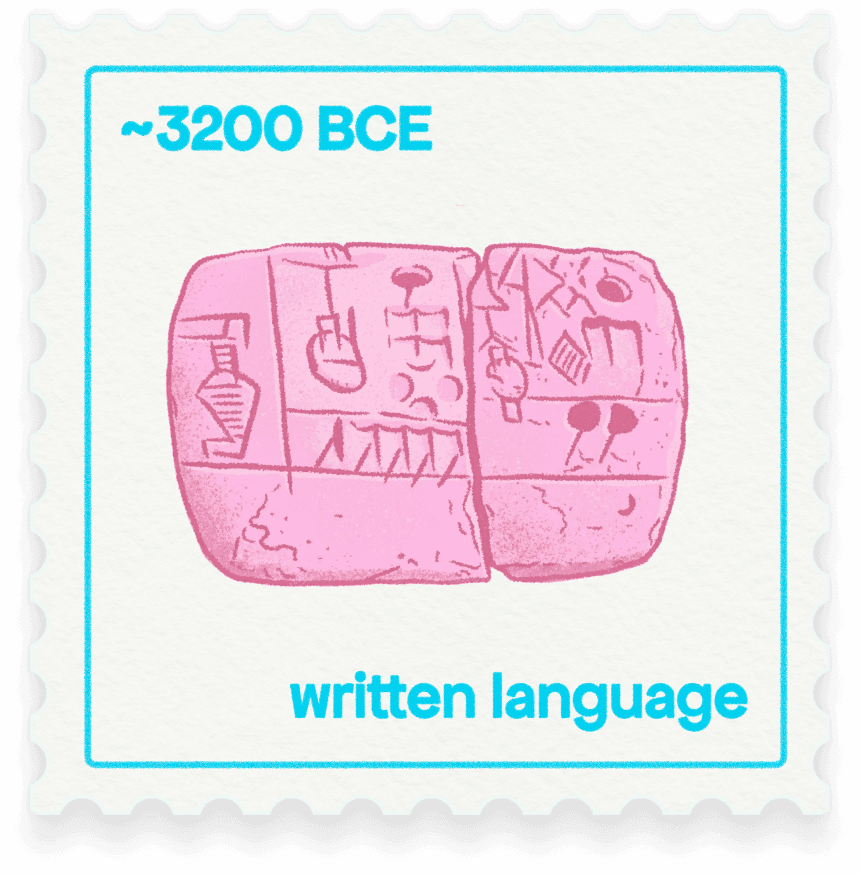
Written language
~3200 BCE
By moving from sound to symbols, we learned to decouple information from the presence of a speaker, allowing ideas to travel across time.
written language
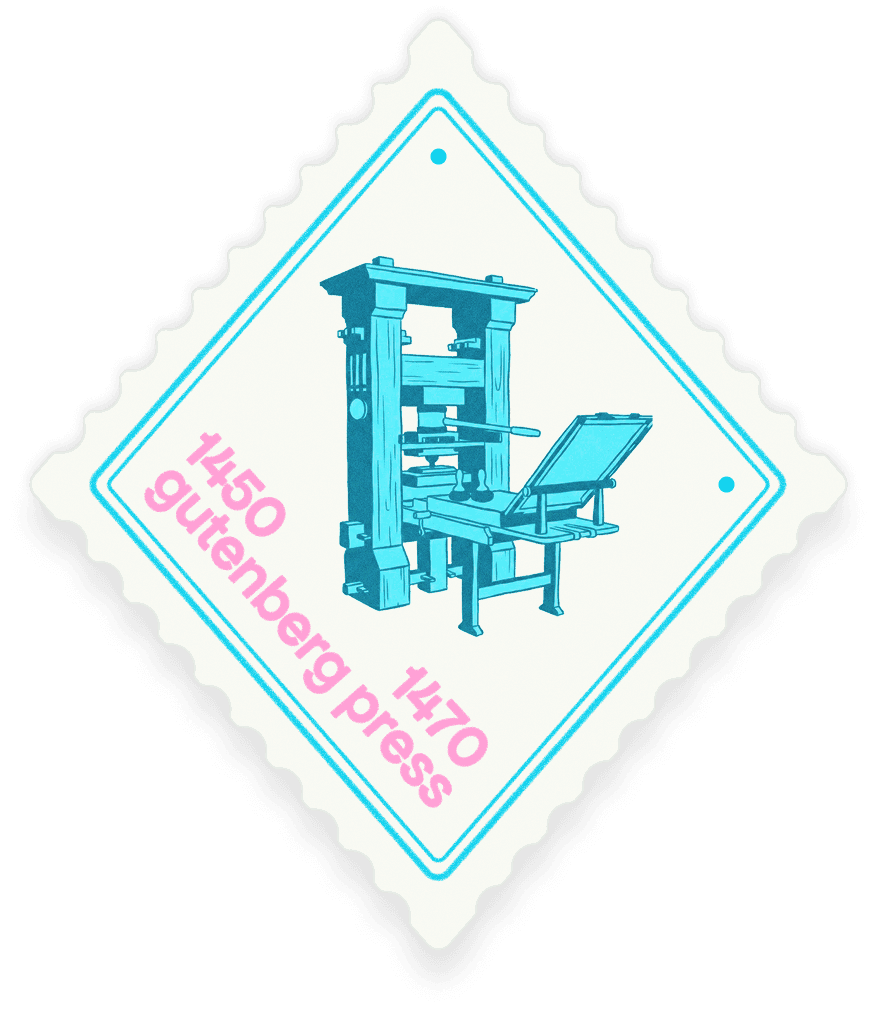
Printing press
1440
This milestone enabled a single voice to reach thousands, standardizing language but making communication static and one-way.
printing press
rigid
logic
We introduced a Logic Gate between two people. In this wave, interaction was governed by a strict "if-this-then-that" decision tree; if you didn't follow the machine's specific path (like waiting for a beep or pressing a number), the conversation simply died.
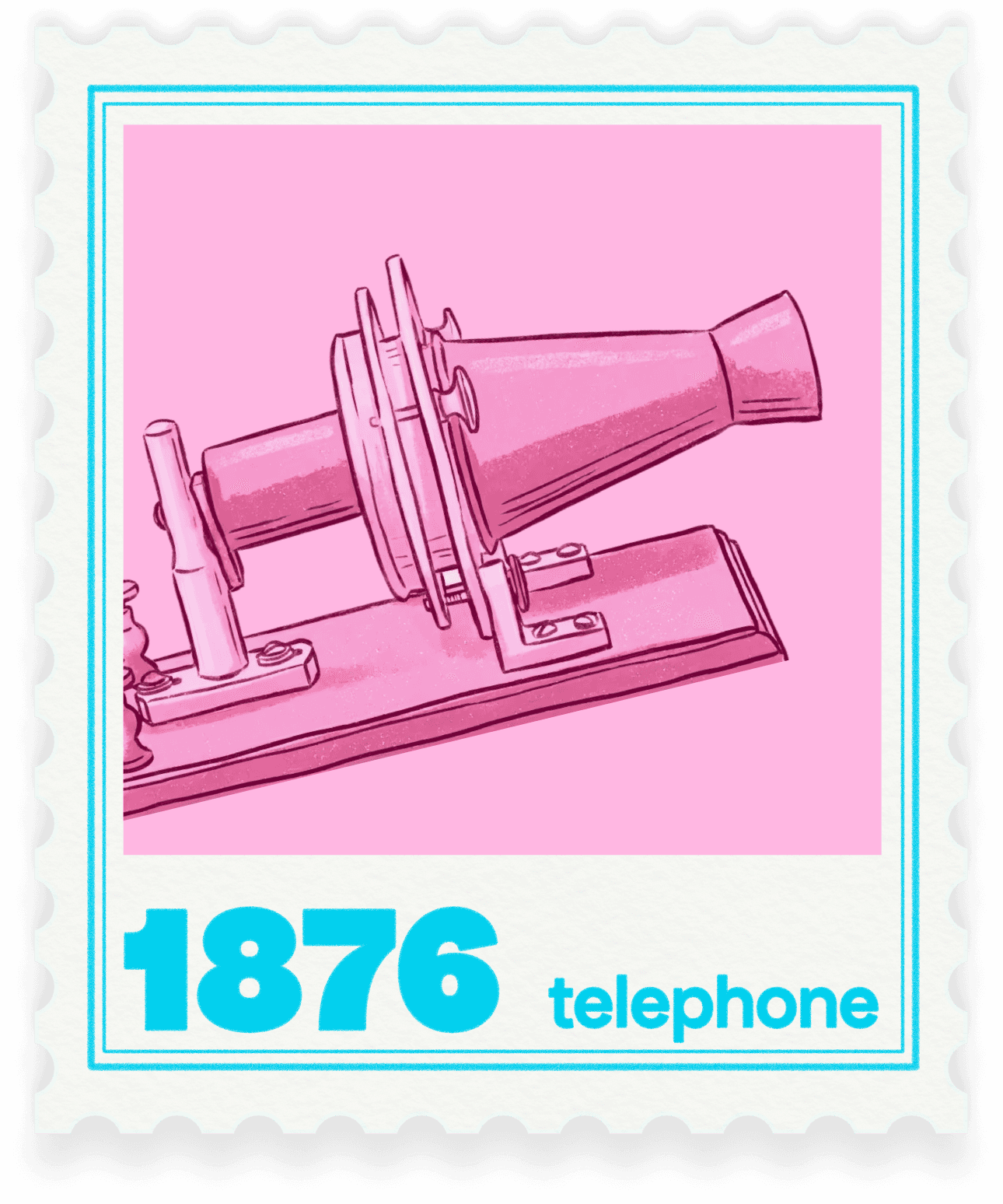
Telephone
1876
The return of synchronous voice through a wire. It introduced strict mechanical protocols and "logic gates" to digital exchange.
telephone
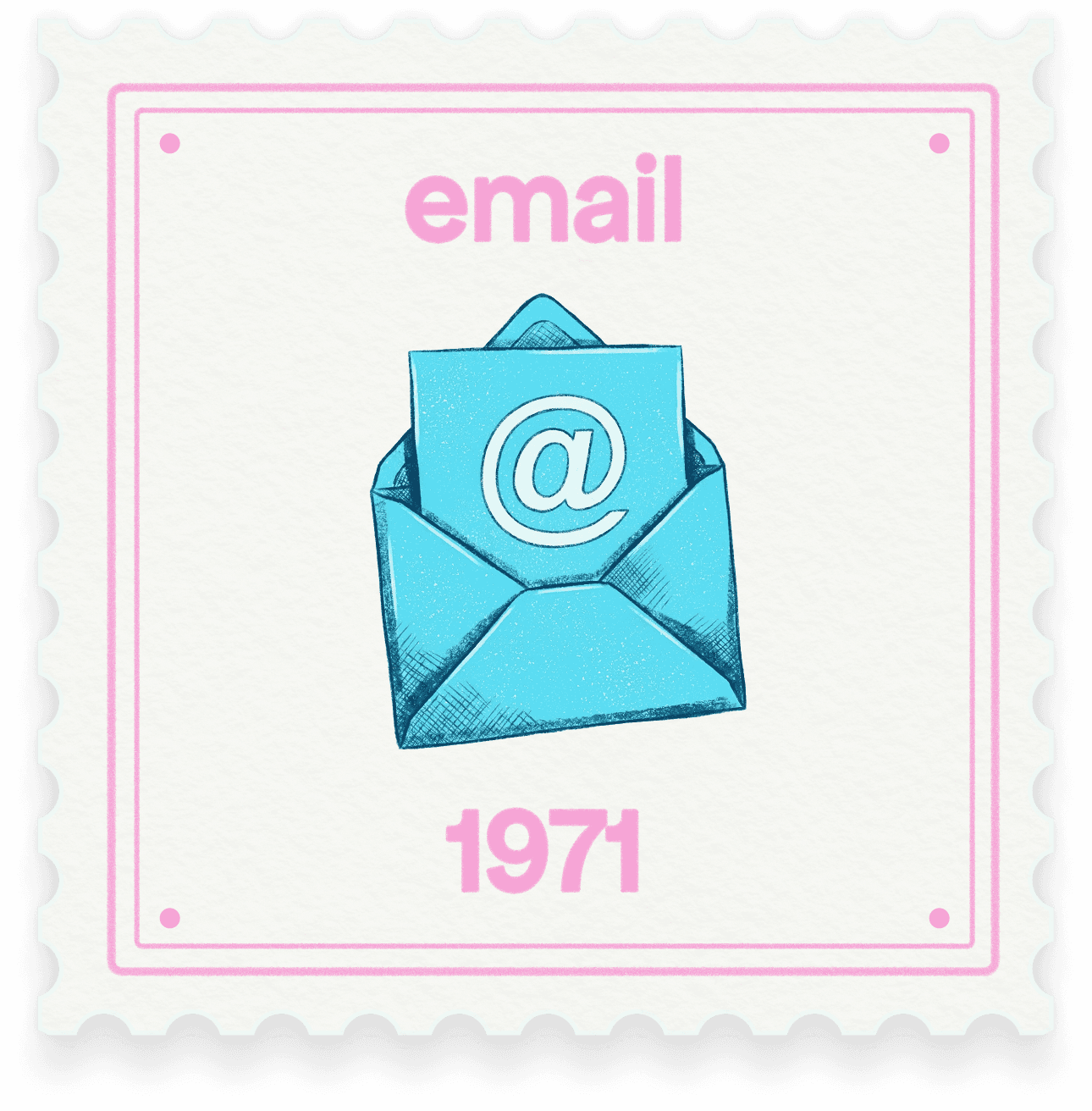
1876
The digital evolution of the letter. It introduced asynchronous threading, teaching us to organize conversations into subject lines and archived data.
intent
mapping
The "Chatbot Boom" moved us from following lines to guessing needs. Instead of a rigid script, designers built "intent buckets," teaching the machine to calculate the probability of what a user wanted from a fragment of text. We stopped drawing flowcharts and started training models to recognize patterns.
1876
The digital evolution of the letter. It introduced asynchronous threading, teaching us to organize conversations into subject lines and archived data.
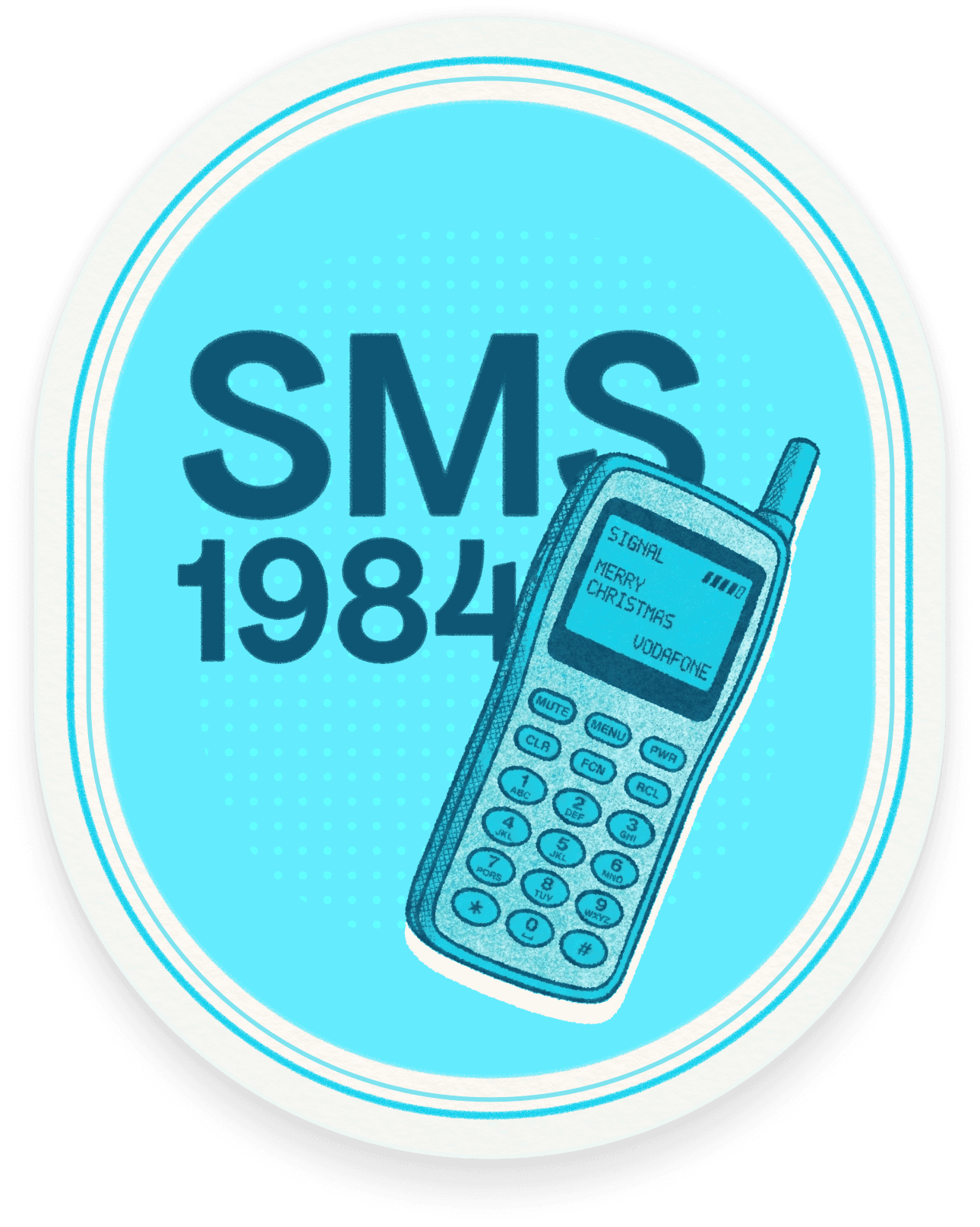
SMS & chat
1992
The digital evolution of the letter. It introduced asynchronous threading, teaching us to organize conversations into subject lines and archived data.
texting / sms
Virtual assistant
2011
The peak of the intent era. Siri, Alexa, Google Assistant, Cortana, and Bixby taught us to talk to our devices using massive libraries of pre-defined "Intents" to process our speech.
virtual assistants
agency
AI
In 2026, we’ve moved past "guessing" and into real-time reasoning and autonomy. We no longer write responses; we orchestrate AI Agents that use tools, maintain long-term memory, and take independent action to achieve a user's goal. We have finally designed a machine that can join the "Invisible Dance" of natural human talk.
Generative AI
2022
Now, the machine is a reasoning participant that synthesizes and responds in real-time. We’ve moved past static scripts to design the "invisible dance" between human context and machine intelligence.
generative

Agentic AI
2024
The leap from talking to doing. These systems don't just process words; they use tools to execute multi-step tasks autonomously.
AI agents
fixed
context
For thousands of years, the "interface" was static; the human brain did 100% of the processing while the media stayed put.
Oral tradition
~50,000 BCE
The primal baseline. Before screens, knowledge lived in the rhythm of the spoken word, relying on memory and real-time social feedback to survive.
oral tradition
Written language
~3200 BCE
By moving from sound to symbols, we learned to decouple information from the presence of a speaker, allowing ideas to travel across time.
written language
Printing press
1440
This milestone enabled a single voice to reach thousands, standardizing language but making communication static and one-way.
printing press
rigid
logic
We introduced a Logic Gate between two people. In this wave, interaction was governed by a strict "if-this-then-that" decision tree; if you didn't follow the machine's specific path (like waiting for a beep or pressing a number), the conversation simply died.
Telephone
1876
The return of synchronous voice through a wire. It introduced strict mechanical protocols and "logic gates" to digital exchange.
telephone
intent
mapping
The "Chatbot Boom" moved us from following lines to guessing needs. Instead of a rigid script, designers built "intent buckets," teaching the machine to calculate the probability of what a user wanted from a fragment of text. We stopped drawing flowcharts and started training models to recognize patterns.
1876
The digital evolution of the letter. It introduced asynchronous threading, teaching us to organize conversations into subject lines and archived data.
SMS & chat
1992
The digital evolution of the letter. It introduced asynchronous threading, teaching us to organize conversations into subject lines and archived data.
texting / sms
Virtual assistant
2011
The peak of the intent era. Siri, Alexa, Google Assistant, Cortana, and Bixby taught us to talk to our devices using massive libraries of pre-defined "Intents" to process our speech.
virtual assistants
agency
AI
In 2026, we’ve moved past "guessing" and into real-time reasoning and autonomy. We no longer write responses; we orchestrate AI Agents that use tools, maintain long-term memory, and take independent action to achieve a user's goal. We have finally designed a machine that can join the "Invisible Dance" of natural human talk.
Generative AI
2022
Now, the machine is a reasoning participant that synthesizes and responds in real-time. We’ve moved past static scripts to design the "invisible dance" between human context and machine intelligence.
generative
Agentic AI
2024
The leap from talking to doing. These systems don't just process words; they use tools to execute multi-step tasks autonomously.
AI agents
The new era is about teaching machines to speak 'human.
The new era is about teaching machines to speak 'human.
The new era is about teaching machines to speak 'human.
The new era is about teaching machines to speak 'human.










emerging
trends
emerging
trends
emerging
trends

Agentic Orchestration
We’ve moved beyond single bots to designing swarms—networks of specialized AI agents that collaborate to solve complex, multi-step goals. As designers, we manage how these agents talk to each other and escalate to humans.
Adaptive & Generative UI
The static screen is dying. We are now designing Adaptive UIs that build themselves in real-time based on a user’s history, intent, and current context.
Multimodal Interfaces
Conversation in 2026 isn't just text; it’s a blend of voice, vision, and emotional intelligence. Products can now detect sentiment from your tone or expression (with consent) and react naturally, making the "Zero UI" experience feel truly ambient.
MX (Machine Experience) Design
We are no longer just designing for people; we are designing for the machines (LLMs and search agents) that read and summarize our content.
Books, blogs, accounts that I find helpful for a beginner like me to learn more
resources
and events
resources
and events
resources
and events

Interface That Augment or Replace
ZEH
Stay on topic. The information provided should be relevant to the current exchange
HomePod meets Apple Intelligence
Sahil Afrid Farookhi
Stay on topic. The information provided should be relevant to the current exchange
Crossing the uncanny valley of conversational voice
Sesame team
Stay on topic. The information provided should be relevant to the current exchange
articles and blogs
Interface That Augment or Replace
ZEH
Stay on topic. The information provided should be relevant to the current exchange
HomePod meets Apple Intelligence
Sahil Afrid Farookhi
Stay on topic. The information provided should be relevant to the current exchange
Crossing the uncanny valley of conversational voice
Sesame team
Stay on topic. The information provided should be relevant to the current exchange
articles and blogs
1
The Sound of the Future: The Coming Age of Voice Technology
Designing Voice User Interface
Conversations with Things: UX Design for Chat and Voice
books
1
The Sound of the Future: The Coming Age of Voice Technology
Designing Voice User Interface
Conversations with Things: UX Design for Chat and Voice
books
1

events and conferences
1
events and conferences